


A Simple Renter’s Guide to Emergency Preparedness
Living in the Lower Mainland comes with a lot of perks. Beautiful parks, walkable neighbourhoods, ocean views, and easy access to the city. It also means we occasionally deal with storms, power outages, flooding, or the possibility of earthquakes.
Emergency preparedness can sound intimidating, but it does not have to be.
You do not need expensive equipment or complicated plans. A few small steps can make a big difference and help you feel calm and confident if something unexpected happens at home.
This guide walks through simple, realistic ways renters can prepare without overthinking it.
Start with the basics
In Metro Vancouver, the most common disruptions are everyday ones. Windstorms that knock out power. Heavy rainfall that causes localized flooding. Snow that makes roads difficult. Water shutoffs for repairs. And, of course, earthquakes.
Local resources like PreparedBC recommend being prepared to be self sufficient for at least 72 hours.
That sounds like a lot, but it really just means having enough food, water, and essentials at home so you are comfortable if stores or services are temporarily unavailable.
Build a simple 72 hour kit
Start with:
Water
About two litres per person per day
Food
Easy, no cook items like granola bars, crackers, canned soup, peanut butter, or protein bars
Light
Flashlight or headlamp with extra batteries
Power
Portable phone charger or power bank
Health
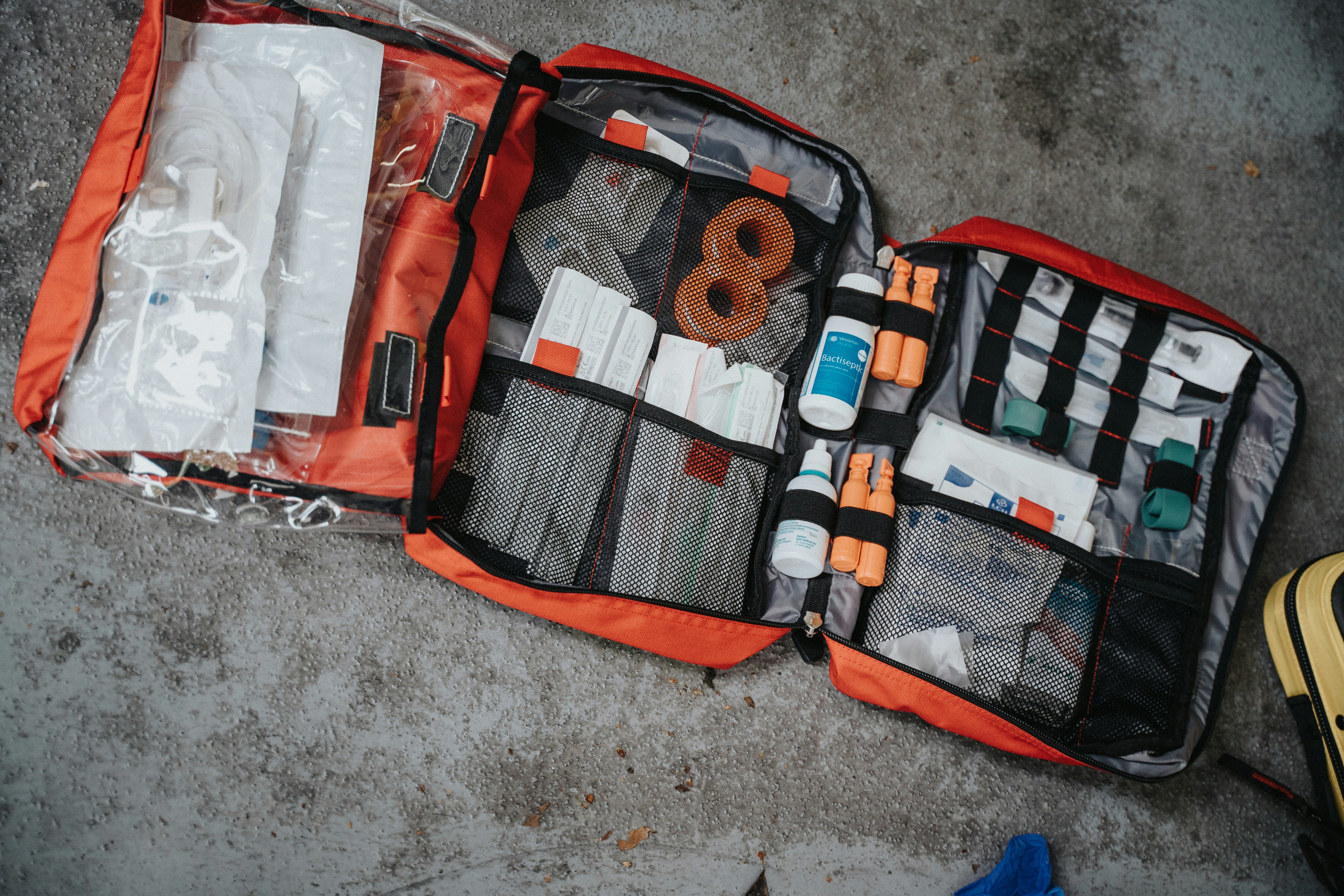
Basic first aid kit and any medications
Comfort
Warm sweater, blanket, extra socks
Extras
Cash, copies of ID, toiletries, pet supplies if needed
Keep everything together in one place so you can find it quickly. A backpack or storage bin works well, especially in smaller apartments.
Simple and accessible is better than perfect.
Know your building
As a renter, part of being prepared is understanding how your building works.
Take a few minutes to learn where the emergency exits and stairwells are, where fire alarms and extinguishers are located, and how your building communicates during emergencies. Save your property manager or maintenance contact information in your phone so you are not searching for it later.
If you rent with a professional team, like Ronin Property Management, you can also reach out anytime to ask about procedures or safety questions.
Familiarity makes a stressful situation feel much more manageable.
Apartment specific safety tips
Living in a condo or apartment comes with a few extra considerations. Keep sturdy shoes beside your bed in case of broken glass after an earthquake. Avoid elevators during emergencies and always use the stairs. Secure tall furniture or bookshelves if possible and store heavier items on lower shelves. If you have a balcony, bring loose furniture or planters inside during windstorms so nothing blows over or falls.
These small adjustments can help prevent injuries and damage.
Prepare for power outages
A few habits make them much easier:
Keep devices charged when storms are forecast
Have a flashlight that is easy to grab
Use battery lights instead of candles when possible
Keep extra blankets nearby
Store a few shelf stable snacks and bottled water
It can also help to treat outages like quiet evenings. Books, games, or downloaded shows can make the time feel calm rather than stressful.
Plan how you will communicate
During an emergency, phone networks can be busy. Calls may not go through.
Choose one out of area contact person that everyone checks in with. Write down important numbers somewhere physical, not just in your phone. If you live with a partner or roommates, agree on a simple meeting plan if you are separated.
Text messages often work better than calls.
Do not forget renters insurance
Preparedness is not only about supplies. It is also about protecting yourself financially.
Renters insurance can cover your belongings, temporary accommodation, and liability protection if something unexpected happens. Many policies are surprisingly affordable and offer valuable peace of mind.
Taking photos or a quick video of your apartment once a year can also make claims easier if you ever need them.
Keep it simple
Emergency preparedness does not have to feel extreme. The goal is not to prepare for every possible scenario. It is simply to make everyday disruptions easier to handle.
Start small. Pick up extra water this week. Add snacks next week. Toss in a flashlight and charger after that.
Little steps add up quickly.
When you have a few basics in place, you can focus on staying calm and taking care of yourself and the people around you. And that peace of mind is what feeling at home is really about.