


Discover How New Tech Toys Are Revolutionizing Home Inspections
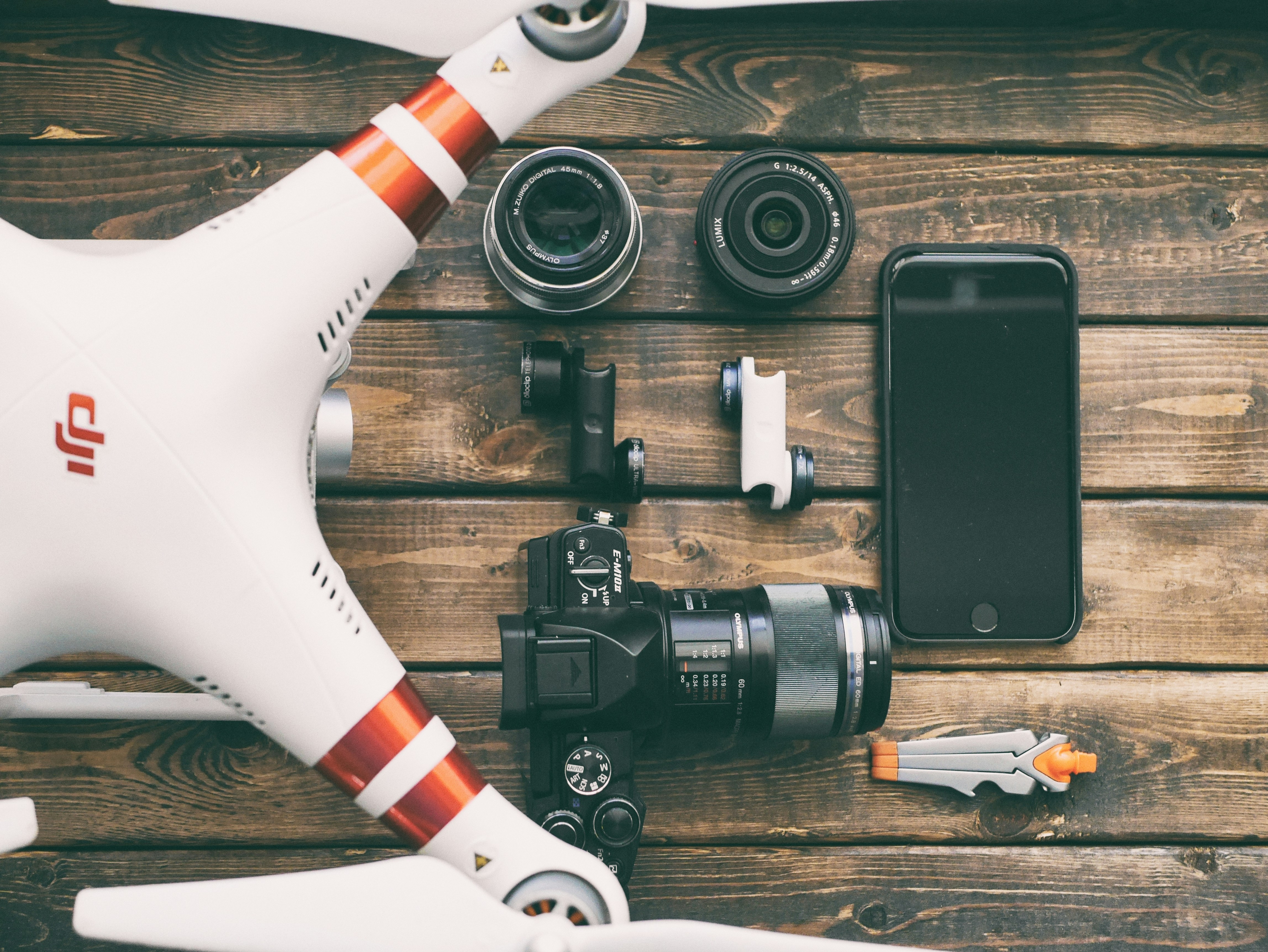
The home inspection industry has come a long way from the days of flashlights and notepads. Thanks to some exciting new tech toys, inspectors now have access to tools that make home inspections quicker, safer, and far more thorough. These advancements are not just about making life easier for inspectors—they’re also about giving homebuyers, sellers, and real estate agents a clearer, more detailed picture of a property’s condition.
In this post, we’ll take a closer look at some of the coolest technologies being used in home inspections across Canada today and how they’re changing the game.
Drones are Eyes in the Sky
One of the biggest tech breakthroughs in home inspections is the use of drones. These small, nimble flying machines equipped with high-resolution cameras can get up close and personal with parts of a home that used to be tough (and sometimes dangerous) to reach—like roofs, chimneys, and gutters.
Instead of risking a ladder climb, inspectors can now simply fly a drone to capture detailed images and videos from every angle. This means quicker, safer inspections, and a much better chance of spotting potential problems before they become major headaches. If you’re curious about what drones can do, check out Aeryon Labs, a Canadian company leading the charge in drone technology.
Infrared Cameras See Beyond the Surface
Infrared (IR) cameras might just be one of the most impressive tools in an inspector’s kit. These cameras detect heat patterns, showing temperature differences across surfaces. Why is this so cool? Because it lets inspectors see issues that are invisible to the naked eye, like hidden moisture, insulation gaps, and even electrical hotspots.
Imagine being able to spot a hidden leak inside a wall, or pinpoint exactly where your home is losing heat. That’s the power of infrared technology. If you’re interested in seeing what these cameras can do, take a look at Flir Systems, a company that offers some of the best IR cameras on the market.
Moisture Metres provide Precision in Detection
Moisture is one of those sneaky problems that can cause a lot of damage if it goes undetected. That’s why moisture metres are such an essential tool for inspectors. These devices measure moisture levels in building materials like wood, drywall, and concrete, helping inspectors find damp spots before they lead to bigger issues like mould or structural damage.
Modern moisture metres are incredibly accurate and easy to use, with digital displays that give real-time readings. If you’re dealing with a potential moisture issue, you can learn more about advanced moisture metres from Wagner Meters, a trusted source for these tools.
3D Imaging and Virtual Tours Offer A New Perspective
3D imaging and virtual tours aren’t just for real estate listings anymore—they’re also transforming home inspections. Using specialized cameras, inspectors can create detailed 3D models of a home’s interior and exterior. This allows clients to take a virtual walk-through of the property, seeing inspection findings in a way that’s both interactive and easy to understand.
This technology is particularly helpful for buyers who can’t visit the property in person. With a 3D tour, they can explore every nook and cranny, even if they’re miles away. Interested in this tech? Companies like Matterport offer solutions that are making 3D imaging more accessible for everyone.
Smart Home Devices Bring Data-Driven Inspections Home
Smart home devices are becoming more common, and they’re bringing a wealth of new data into home inspections. From smart thermostats and leak detectors to air quality monitors, these gadgets can provide real-time insights into a home’s health and performance.
For instance, a smart thermostat like the Ecobee, which is based in Canada, can reveal how efficiently a home’s heating and cooling systems are working. Meanwhile, a smart leak detector could catch a small drip before it turns into a flood. Integrating data from these devices into an inspection gives a more comprehensive view of a home’s condition.
The Future of Inspections with AI
Artificial intelligence (AI) and machine learning (ML) are still in the early days of being used in home inspections, but the potential is huge. AI can analyze data from various inspection tools, spotting patterns or issues that might be missed by the human eye. This could mean faster, more accurate inspections and even the ability to predict problems before they happen.
Imagine a future where drones, robots, and smart devices work together to inspect a home with minimal human intervention. While this might sound like something out of a sci-fi movie, companies like Bluewrist are already working on AI-driven solutions that could soon make this a reality.
As technology continues to evolve, there’s no doubt we’ll see even more innovations that will further improve the home inspection process. Whether you’re in the market for a new home or just curious about what’s out there, it’s an exciting time to see how technology is shaping the future of home inspections.