


Moving to Vancouver? Here’s What You Need to Know
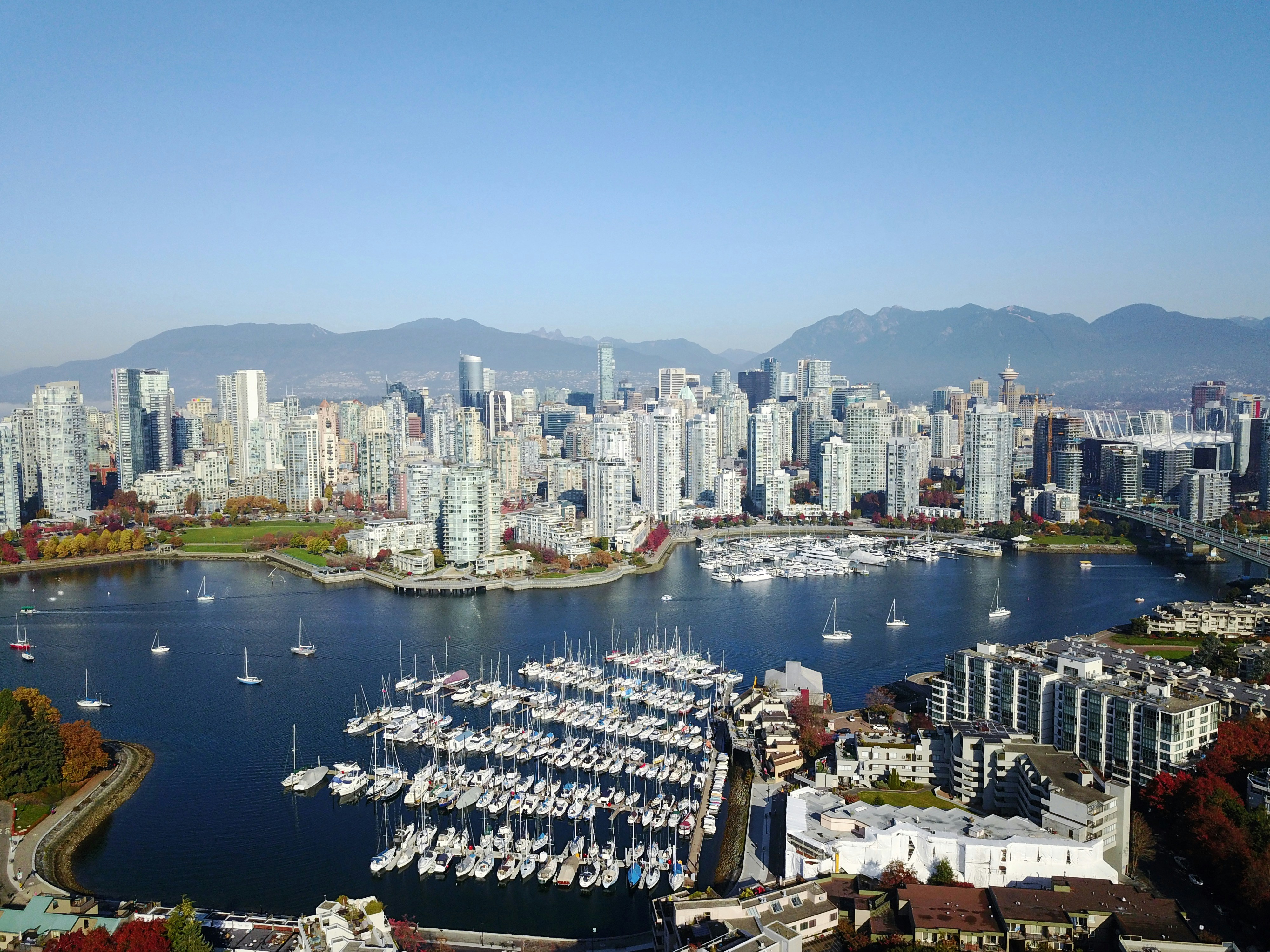
Moving to Vancouver is exciting for many reasons. From ocean views and mountain trails to diverse neighbourhoods and a thriving food scene, the city offers a lifestyle that is hard to match anywhere else in Canada. Whether you are relocating for work, school, family, or simply a fresh start, settling into Vancouver comes with a learning curve. Understanding the rental market, transportation options, neighbourhood personalities, and local lifestyle can make the transition much smoother.
If you are planning a move to Vancouver, here are some important things to know before you arrive.
Vancouver’s Rental Market Moves Quickly
One of the first things newcomers notice is how competitive Vancouver’s rental market can be. Desirable rentals are often listed and rented within days, especially in popular neighbourhoods close to transit, downtown, or the seawall.
If you are searching for a rental property, it helps to be prepared with your documents ahead of time. Most landlords and property managers will ask for proof of income, references, and a completed application. Having these ready can help you move quickly when you find the right place.
Rental pricing can also vary significantly depending on the neighbourhood, building amenities, and proximity to transit. Areas like Yaletown, Kitsilano, and Mount Pleasant tend to have higher rental rates, while parts of Burnaby, New Westminster, and Surrey may offer more space for the price.
It is also important to understand that Vancouver rentals are often smaller than what people may be used to in other Canadian cities. Condo living is very common, especially in central areas. Many residents prioritize location, walkability, and access to outdoor spaces over square footage.
Every Neighbourhood Has Its Own Personality
One of the best parts of living in Metro Vancouver is the variety of neighbourhoods available. Each area has its own atmosphere, pace, and community feel.
Downtown Vancouver appeals to people who enjoy being close to restaurants, nightlife, shopping, and office towers. It is fast-paced and highly walkable.
Kitsilano offers a more relaxed, beach-oriented lifestyle with yoga studios, cafés, and easy access to the water.
Mount Pleasant is known for its creative energy, breweries, independent shops, and growing food scene.
North Vancouver attracts outdoor enthusiasts who want quick access to hiking, skiing, and mountain biking.
Burnaby and Brentwood continue to grow rapidly, offering newer residential towers, transit accessibility, and a slightly quieter pace than downtown Vancouver.
Richmond is popular for its incredible food culture, family-friendly communities, and proximity to the airport.
Choosing the right neighbourhood depends on your lifestyle, commute, and priorities. Before signing a lease, it is worth exploring different areas in person if possible.
Transit Is Better Than Many People Expect
While traffic congestion is a reality in Metro Vancouver, many residents find they do not need a car for daily life. The region’s transit system includes buses, SeaBus, and the SkyTrain network, connecting Vancouver with Burnaby, New Westminster, Richmond, Surrey, and beyond.
Living near a SkyTrain station can make commuting significantly easier and may even reduce transportation costs overall.
Cycling is also very popular throughout Vancouver. The city has invested heavily in bike lanes and cycling infrastructure, making it possible for many residents to bike year-round.
That said, weather plays a role in transportation choices. Vancouver’s rainy season can feel long for newcomers, especially those moving from colder but sunnier provinces. A quality rain jacket and waterproof footwear quickly become essentials.
The Lifestyle Is Deeply Connected to Nature
People often move to Vancouver because they want balance. One of the city’s biggest strengths is how easy it is to access nature without leaving the urban core.
Residents can spend the morning working downtown and still make it to the beach, a forest trail, or the mountains by the afternoon. Stanley Park, Pacific Spirit Regional Park, Grouse Mountain, and countless waterfront paths all contribute to the city’s outdoor-focused lifestyle.
Even during busier workweeks, many Vancouver residents prioritize time outside. Hiking, paddleboarding, skiing, running, and cycling are woven into daily life throughout the region.
For newcomers, embracing the outdoors can be one of the best ways to feel connected to the city and community.
Cost of Living Requires Planning
There is no way around it: Vancouver is expensive. Rent, groceries, dining, and entertainment costs are often higher than the Canadian average.
However, many residents find ways to balance their budgets by using transit, enjoying outdoor recreation, cooking at home more often, and choosing neighbourhoods outside the downtown core.
When budgeting for a move, remember to account for:
- Security deposits and move-in fees
- Tenant insurance
- Parking costs if you own a vehicle
- Utility costs depending on the building
- Transit passes or commuting expenses
- Pet-related fees if applicable
Working with a professional property management company can also help simplify the rental process and reduce stress during a move.
Building Community Takes Time
Like any major city, Vancouver can initially feel overwhelming or difficult to break into socially. Many newcomers experience a short adjustment period while building routines and friendships.
Joining fitness classes, community groups, recreational sports leagues, or local events can help create connections more naturally. Vancouver also has strong communities centred around wellness, outdoor activities, arts, culture, and food.
Over time, many people discover that the city’s slower, lifestyle-oriented culture becomes one of its biggest advantages.
Final Thoughts
Moving to Vancouver comes with challenges, but it also offers incredible opportunities for people looking to build a lifestyle that blends city living with access to nature, culture, and community.
The key is preparation. Research neighbourhoods carefully, understand the rental market, budget realistically, and give yourself time to settle into the rhythm of the city.
For many people, Vancouver quickly becomes more than just a place to live. It becomes home.