


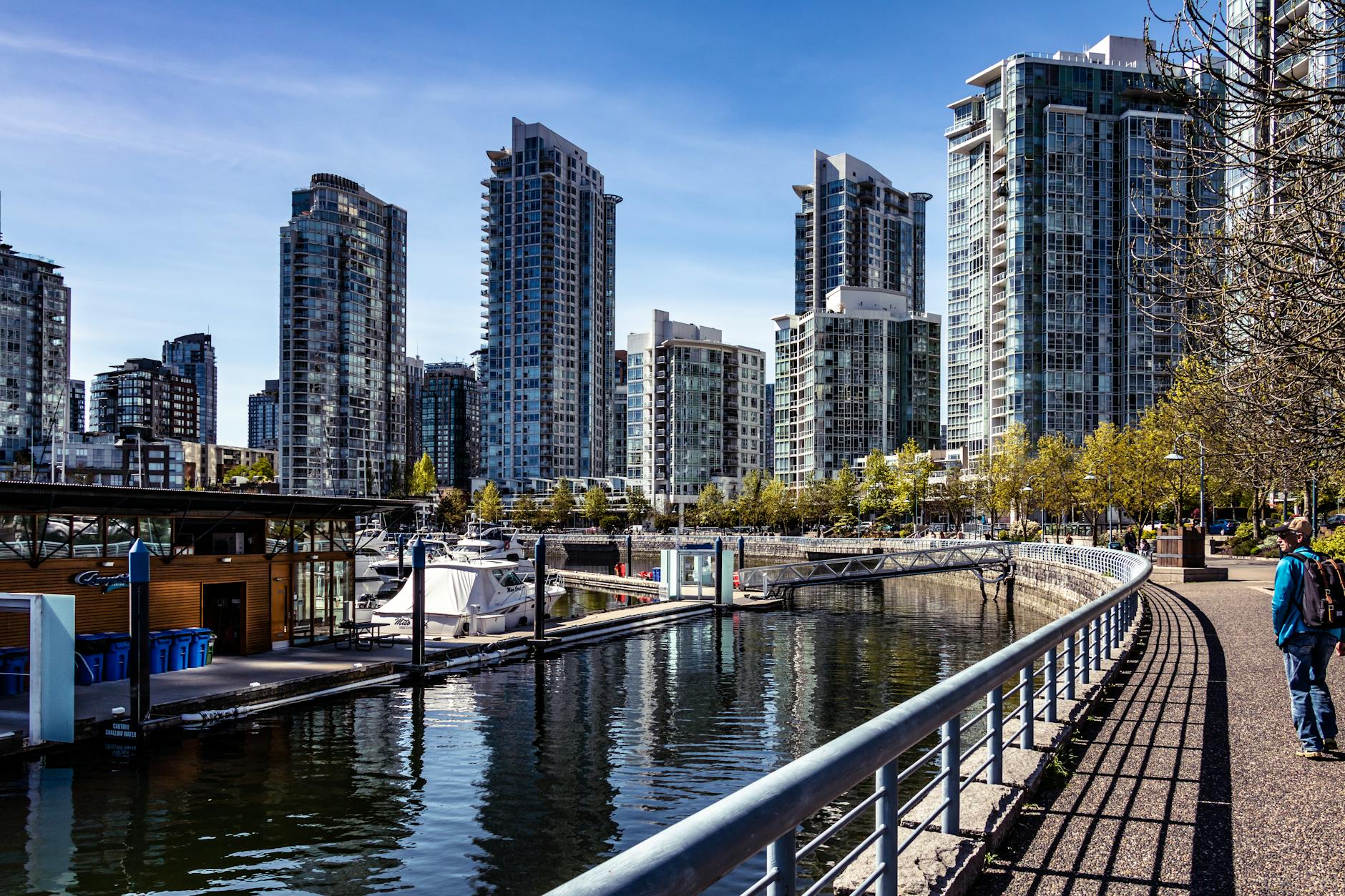
As 2024 wraps up, many Vancouverites are turning their attention to what’s ahead for the real estate market in 2025. With prices continuing to rise and the rental market remaining competitive, Vancouver’s real estate scene has always been a topic of discussion—and 2025 will be no different. Whether you’re looking to buy, sell, rent, or invest, staying on top of emerging trends is key to making smart decisions.
Rental Demand Will Stay Strong
Vancouver has long been known for its expensive real estate market, and affordability remains a big issue as we head into 2025. For many people, buying a home is still out of reach, so they’ll continue renting. This means strong demand for rental housing will remain a fixture of the Vancouver market.
In 2025, expect renters to keep facing high prices, especially in areas like downtown, Yaletown, and Kitsilano, where the best locations tend to have higher rents. At the same time, many people will start to look beyond these areas, seeking more affordable options in places like Burnaby, East Vancouver, or even parts of the North Shore.
For landlords—you’re likely to see continued demand for rental properties. But you’ll also need to be aware of any changes in rental regulations. The provincial government may bring in new rent control measures to help tenants avoid excessive rent hikes, which could impact how much you can raise rents in the year ahead.
City Policies Focused on Housing Supply
One of the biggest challenges in Vancouver has always been the lack of affordable housing, and the city is making moves to tackle this head-on. Expect to see a continued push for more purpose-built rental properties in 2025. These are buildings designed specifically for long-term rental, and they’re becoming more popular as the demand for rental housing shows no signs of slowing down.
Developers are being encouraged to build rental properties instead of condos, and that’s a trend likely to grow over the next year. These purpose-built rentals tend to offer more stability for tenants, which is attractive to those who prefer a longer-term living situation rather than the uncertainty of short-term leases.
Additionally, the Empty Homes Tax will likely remain in place, which is designed to encourage property owners to put vacant homes back into the rental market. If this policy continues to be enforced, we might see more homes being made available for rent, which should help relieve some pressure on the market. However, keep in mind that the pace of new developments can be slow, so it could take time before these changes really start making a difference.
Interest Rates Will Continue to Impact the Market
Interest rates have been a hot topic lately, and they’ll continue to play a major role in Vancouver’s real estate market in 2025. While we saw some stabilization in 2024, rates are still higher than they were a few years ago. If they stay elevated throughout 2025, it could impact both homebuyers and investors.
For buyers, higher interest rates mean higher monthly mortgage payments, which could make it more difficult to enter the housing market—especially in Vancouver, where prices are already high. This could lead to a slower market for home sales, particularly in the more expensive sectors like luxury homes and condos. Some buyers might opt for smaller properties or look outside of the downtown core, where prices are a bit more manageable.
However, if you’re in the rental market, rising interest rates could be good news. With fewer people able to afford to buy, more will turn to renting, which could drive up demand for rental units. Areas that were once considered too expensive for renters, like the West End or parts of North Vancouver, might see an uptick in interest as people look for affordable rental options.
Sustainability and Smart Homes Will Be In Demand
Vancouver is known for its commitment to sustainability, and that trend will only continue to grow in 2025. As more buyers and renters look for eco-friendly living options, we’ll see increased demand for homes that are energy-efficient and have smart home features.
In Vancouver, it’s becoming increasingly important to build homes that not only reduce environmental impact but also save money for residents. Expect to see more developments with green building practices—think energy-efficient appliances, solar panels, electric vehicle (EV) charging stations, and homes that meet LEED (Leadership in Energy and Environmental Design) standards. This is great news for those who care about reducing their carbon footprint and lowering utility costs.
Smart homes are also on the rise. Whether it’s controlling the heating with your phone or having your lights turn on automatically when you arrive, more homes in Vancouver will be equipped with smart technology. For homebuyers, these features can make a property more appealing, and for renters, it could be a huge draw when choosing a place to call home.
If you’re considering investing in a property, keeping an eye on these green and tech trends could help you future-proof your investment. Sustainable homes aren’t just good for the environment—they can also help attract tenants and increase the value of your property.
Whether you’re looking to buy a home, rent an apartment, or invest in property, Vancouver will continue to offer opportunities—if you know where to look and what to expect. 2025 is shaping up to be an exciting year in Vancouver real estate, so get ready to make the most of it!