


You notice water collecting under the sink. Your dishwasher suddenly stops working. The heat is making a strange noise that definitely was not there yesterday.
You send in a maintenance request, and then what?
From a tenant’s perspective, it can sometimes feel like the request disappears into the void until someone shows up at the door with a toolbox. Behind the scenes, though, there are usually several steps happening between that first message and the final repair.
Here’s a look at what actually happens after you report a maintenance issue.
First, the Problem Needs to Be Assessed
Not every maintenance request has the same level of urgency.
A burst pipe needs immediate attention. A loose cabinet handle does not. One of the first jobs of a property manager is figuring out what is happening, how serious it might be and what needs to happen next.
That is also why details matter when you submit a request. A description of the problem, when it started and whether it is getting worse can help. Photos and videos are useful too, particularly for leaks, visible damage or an appliance making an unusual sound.
The more information available at the beginning, the easier it is to determine the next step.
Sometimes There Is an Immediate Step You Can Take
Depending on the issue, you may receive instructions before anyone comes to the property.
If there is water leaking, for example, you might be asked to shut off a valve or move belongings away from the area. For an appliance problem, there may be a simple check that helps determine whether a technician is actually needed.
This does not necessarily mean the repair is being passed back to the tenant. Sometimes a quick action can prevent additional damage or help narrow down the problem while the appropriate service is being arranged.
The Right Person Has to Be Called
Unfortunately, there is no single repair person who handles everything that can go wrong in a home.
Depending on the problem, the property manager may need to coordinate with a plumber, electrician, appliance technician, locksmith, HVAC specialist or another qualified professional.
There may also be communication with the property owner, strata or building management, particularly if the issue involves common property or could affect another unit.
Part of good property management is knowing who needs to be involved and getting the right person involved as efficiently as possible.
Access Has to Be Coordinated
Next comes scheduling.
The contractor needs to be available, and someone needs to make sure they can actually get into the property. That can mean coordinating schedules between the tenant, property manager, building staff and tradesperson.
In a condo building, there can be another layer of logistics. Elevator bookings, concierge procedures, parking arrangements or building access requirements may all come into play.
This is one of those parts of property management that sounds simple until four different schedules have to line up.
Then Comes the Actual Repair
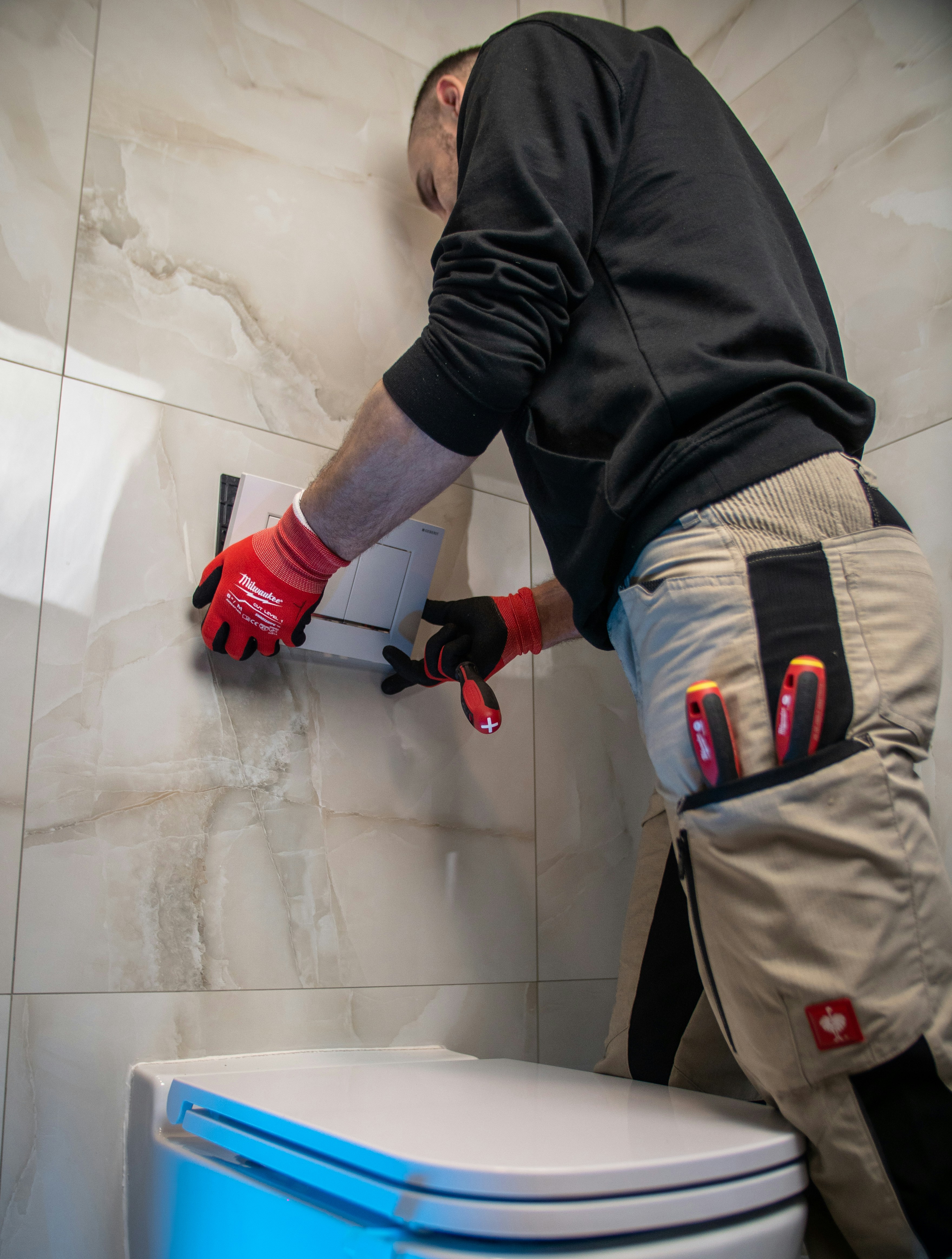
Once the contractor arrives, the goal is obviously to fix the problem. But sometimes the first visit is actually diagnostic.
A technician may discover that a part needs to be ordered, that another trade is required or that the visible problem is being caused by something somewhere else.
A small water stain, for example, might have a source inside the unit, in another unit or within the building itself.
That is why some maintenance issues can be solved in a single visit while others take a little more investigating.
There Is Work After the Repair, Too
Finishing the repair is not always the end of the maintenance request.
Invoices need to be reviewed, owners may need an update and any related damage may still need attention. If drywall was opened to repair a pipe, for example, the plumbing problem may be solved while patching and painting still need to be arranged.
There should also be confirmation that the original issue has actually been resolved.
Closing the loop matters. A repair is only successful if the problem is fixed, not simply because someone attended the property.
Reporting Problems Early Really Does Help
One of the best things a tenant can do is report a maintenance concern when they first notice it.
That does not mean every squeak or scuff requires an urgent request. But water where it should not be, electrical issues, unusual smells, heating problems or something that appears to be getting progressively worse should not be left to see what happens.
Small problems have an unfortunate habit of becoming expensive ones.
A slow leak is a lot easier to deal with than water damage. An unusual appliance sound may be easier to address before the appliance stops working altogether.
Good Maintenance Is a Team Effort
Tenants are often the first people to notice when something is wrong. Property managers help assess the issue, communicate with everyone involved and coordinate the response. Owners make decisions about their property, and skilled tradespeople handle the work that requires their expertise.
When those pieces work together, maintenance becomes much less stressful for everyone.
At Ronin Property Management, taking care of a property means more than responding when something breaks. It means keeping communication clear, coordinating the right people and making sure issues are followed through from the first report to the final repair.
Because when something goes wrong at home, knowing that someone is taking care of the details makes a difference.